September 30, 2026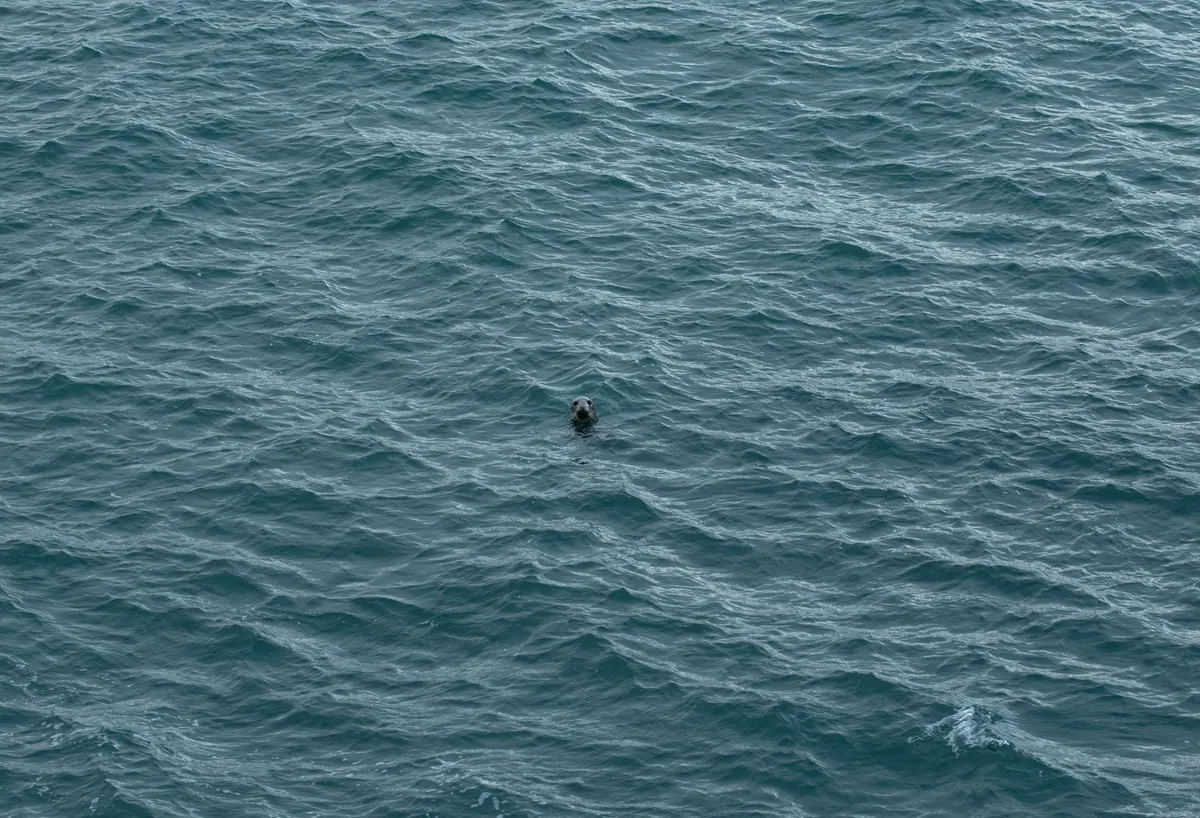
The first step into a UK sea in spring is a proper shock. Your breath snatches, your skin burns, and everything in you says turn round. Stay for a minute, though, and it changes: the gasp settles, the cold stops feeling like pain and starts feeling like clarity, and you're swimming. Wild swimming at British beaches isn't about endurance. It's about reading the water, timing your swim, and getting out again while your fingers still work.
What Cold Water Does to You
Sea temperatures around the UK sit in single figures for much of the year and rarely climb far past the high teens even in a warm August. That's cold enough to trigger cold water shock: a sharp intake of breath, a racing heart, and a surge of panic that can hit even confident pool swimmers.
The trick is to give your body a minute to catch up. Enter slowly, keep your breathing under control, and let the first wave of shock pass before you commit to swimming. Plunging head-first off a rock or a harbour wall removes that chance entirely.
Cold also takes your strength quietly. Hands and feet lose feeling and grip long before the rest of you feels cold, so a swimmer who was comfortable at three minutes can be struggling at ten. A widely used guideline is roughly one minute in the water per degree Celsius — around ten minutes in ten-degree water. Treat that as a ceiling rather than a target, and halve it while you're new. You keep cooling down after you get out, too, so dry off and dress quickly and have something warm to drink.
If you have a heart condition, asthma, circulation problems, or you're pregnant, or you take regular medication, speak to your GP before you start. Never swim alone, and skip the pub beforehand.
Read the Beach Before You Swim
Most beginner trouble at the coast comes from the sea doing something the swimmer didn't expect. Ten minutes with a tide table and a forecast removes most of that risk.
- Tides. Tide tables are free online, and harbour noticeboards often post them. Slack water at high tide is usually the easiest window on a gently shelving sandy beach: the water is deepest and the current at its weakest.
- Rising or falling? A falling tide exposes mud and hidden channels; a rising tide can cut off a cove or pin you against cliffs. On a new beach, swim on a rising tide with an escape route in mind.
- Wind. An offshore wind looks calm and inviting but pushes you out to sea. An onshore wind builds messy surf. Light cross-shore or nothing at all is ideal.
- Currents. Look for gaps in the breaking waves or choppy water running out between them — likely rip currents. Don't fight one; swim parallel to the beach until you're clear.
- Water quality. Avoid river mouths and outfalls for a day or two after heavy rain, and check published bathing water quality information for popular beaches.
Wherever you can, start at a lifeguarded beach and learn the flags. Red and yellow marks the patrolled swimming and bodyboarding zone; black and white is for surfboards and kayaks. A single red flag means no swimming, full stop.
Kit That Earns Its Place
You don't need much, and you certainly don't need to spend a fortune — most of this can be borrowed or bought secondhand.
- A swimming costume, plus a wetsuit if you feel the cold. A wetsuit lets you stay in longer, but it doesn't make you immune.
- A tow float. It makes you visible to boats and paddleboards, and gives you something to hold if you need a rest.
- A bright swim hat and goggles. Head colour is what people spot first.
- Neoprene socks, gloves and boots for winter, and old trainers for shingle.
- A changing robe or large towel, a dry bag for keys and phone, and shoes you can pull on with numb fingers.
- A flask of tea, a warm hat and a spare fleece, left at the top of the beach.
Leave valuables at home or in a waterproof pouch. Don't assume a car key fob will survive a soaking — many don't.
Getting In Without the Panic
- Stand at the water's edge and watch it for a minute. Note where the waves break and where everyone else is swimming.
- Walk in. Never dive into water you haven't checked.
- Splash water on your wrists, the back of your neck and your face. It takes the edge off the first plunge.
- Wade to waist depth and stop. Breathe out slowly, count, hum a tune — anything that slows your breathing. The gasp will pass.
- Push off and swim, head up at first. Stay parallel to the beach, in your depth, close to shore.
- Turn back before you feel properly cold. Shivering, fumbling hands or slurred words mean it's time to get out.
Dress from the top down and don't linger in wet kit. Then walk, drink something hot, and note how long you managed. Next time, add a minute at most.
Etiquette, and Leaving Nothing Behind
Beach communities are small and forgiving, but a few habits go a long way.
- Give way on slipways and ramps — they're working access for fishing boats and dinghies, not a changing room.
- Change discreetly under a robe or towel, and don't block paths, drives or steps.
- Keep clear of surfers in the line-up, and never swim through fishing lines.
- Give seals, dolphins and seabirds plenty of space. Disturbing wildlife is unkind, and for some species it's an offence.
- Take everything home, including the bits that aren't yours. Fires, BBQs and overnight parking are banned on many beaches.
- Park considerately and follow any dog restrictions. If you find a good spot, share it carefully — crowded parking is how quiet beaches get closed to swimmers.
Your First Swim: A Simple Plan
Pick a lifeguarded sandy beach. Go at slack high water on a calm day with little or no wind. Take a friend who'll stay on the beach, or better, come in with you. Aim for five minutes in the water: no distance, no performance. Get out while you still feel good, dress quickly, drink the tea, and jot down the sea temperature and how it felt.
Repeat that once a week through spring and you'll be swimming comfortably into autumn. Cold water rewards patience more than courage, and the best swimmers on any British beach are usually the ones who know exactly when to get out.
Photo: Ellie Burgin / Pexels