October 08, 2026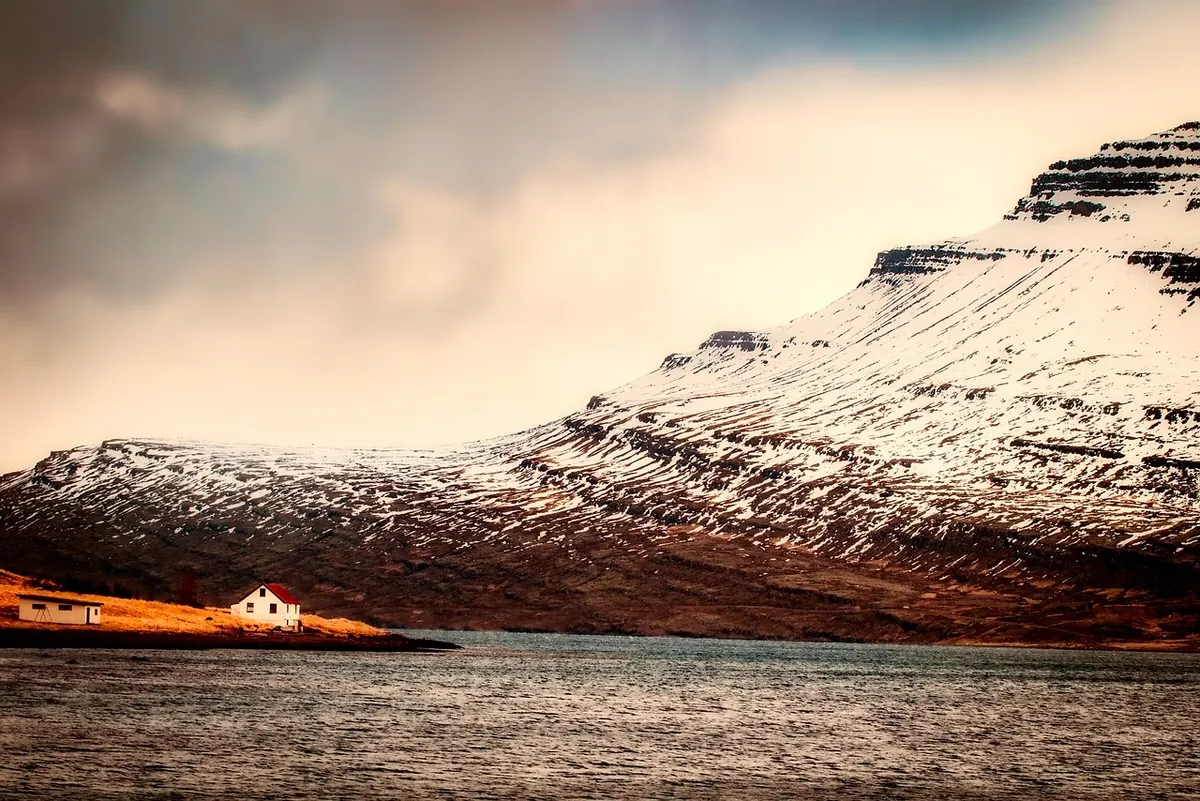
The car park at the end of the lane has four spaces. In August you would have circled it twice and given up. In January you will have your pick, and the beach beyond will hold six people, one determined dog and a flock of oystercatchers. That is the trade at the heart of an off-season coastal cottage break: fewer crowds, lower rates, shorter days, and weather that asks you to plan a little more carefully than you would in July.
Done well, a winter week by the sea is often more restful than a summer one. Done carelessly — a cold cottage, a village where everything is shut, a tide table nobody thought to check — it can be a long, damp wait for the kettle to boil. The difference is almost entirely in the choosing.
What actually shifts between August and January
Four things change. Light, weather, crowds and opening hours. The first two you cannot control; the second two you can plan around.
By late December the sun can be down before half past four, and a walk that takes two hours in June takes the same two hours in a much narrower window. Coastal weather is also more changeable than inland weather: a still, bright morning can turn into horizontal rain by lunchtime. That is not a reason to stay away, but it does mean you build your day around the forecast rather than fighting it.
Crowds, though, are the real prize. Beaches that require a twenty-minute walk from a summer car park become empty in minutes. Pubs that turn people away in August have a table by the fire. If your idea of a coastal holiday involves other people's windbreaks, off-season will disappoint you. If it involves silence, it will not.
The quiet is the point, not a side effect
Winter gives the coast back its texture. You notice things in February that you would walk past in July.
- Birdlife. Estuaries and mudflats fill up with waders and wildfowl over the winter months, and many nature reserves run quieter, cheaper or free access outside the main season.
- Dogs on beaches. Summer dog bans on many beaches are seasonal, so the same stretch of sand may be open to them in winter. Always check the local signs rather than assuming.
- Dark skies. Fewer visitors and fewer lit car parks mean better stargazing on clear nights, especially on quieter stretches of coast.
- Photography and drawing. Low, angled light all day rather than just at either end of it.
- Food. Winter menus in coastal pubs lean towards slow-cooked things, and you can usually get in without booking three weeks ahead.
What it does for your budget
Outside school holidays, weekly rates on coastal cottages are generally well below peak summer, and many owners relax minimum stays from a full week to two or three nights. That opens up short breaks that are simply not available in July — a Friday to Monday in a cottage you could never justify for a fortnight.
Watch for three things. First, heating: some cottages include it in the rate, others meter it or charge a supplement, so ask before you book rather than after. Second, Christmas, New Year and February half-term behave much like summer in popular coastal towns — busy and priced accordingly. Third, cancellation terms matter more in winter, when a forecast can change a journey. Read the policy, and check what your travel insurance covers if you are booking months ahead.
The practical trade-offs
Cold, damp and older buildings
Many coastal cottages are old, stone-built and single-glazed, which is part of their charm and part of their challenge. They take time to warm through. Ask what the heating is, whether it is on a timer you control, and whether there is somewhere proper to dry wet coats and boots. A wood burner is lovely; it is less lovely if the only dry wood is a damp log in a bucket.
Shorter days and fewer hours
Plan your outdoor time for the middle of the day and save the ends of it for indoor things: cooking, reading, a long lunch. Take a torch, and treat the walk back from the pub as part of the evening rather than a nuisance.
What is shut
Some cafés, beach huts and attractions close from November to March, and a few seaside towns lose most of their hospitality midweek. Check that at least one shop and one pub stay open year-round within walking distance, or accept that you will drive for your milk.
Paths, tides and safety
Coastal footpaths get muddy and, in a cold snap, icy. Check tide times before walking a beach or crossing a causeway — the sea comes in faster than most people expect, and it does not care what month it is. Tell someone your route if you are heading out alone on a remote stretch.
How to choose the right winter cottage
Read the listing with a winter mindset rather than a summer one. The questions that matter change.
- Is the heating effective, controllable and included — and is there an immersion or backup if something fails?
- Is there a porch, boot room or utility space for wet kit and sandy dogs?
- How close is the nearest year-round shop, pub or café?
- What is the access like — narrow lanes, steep drives and unsurfaced tracks are fine in June and awkward in frost?
- Is there a sheltered outdoor spot, or is the only seating a windswept bench?
- How reliable is the Wi-Fi and mobile signal if you plan to work or stream?
- What do recent reviews say about warmth, damp and cleanliness out of season?
Before you book: a short winter checklist
Confirm the heating arrangement in writing, along with any supplements. Check the cancellation and refund policy, and take out insurance if the trip matters to you. Look up sunset times, tide times and the opening hours of the one place you most want to eat. Pack for wet and cold rather than for photographs, including boots you do not mind wrecking and a warm layer you can walk in.
Then lower your expectations of doing a great deal, and raise them of enjoying very little. A winter coastal cottage is not a compromise version of a summer holiday. It is a different one, and for a lot of people it is the better one.
Photo: 12019 / Pixabay