September 24, 2026
There is a particular pleasure in walking out at low water and coming home with something for the pan: a handful of sea lettuce, a few mussels, a bag of marsh samphire from the creeks behind the dunes. Beach foraging looks simpler than woodland foraging. Nothing to climb, nothing to mistake for a mushroom, no canopy to peer into. It isn't simpler. The coast comes with its own set of rules, and most of the mistakes people make here have nothing to do with plants at all. They are about permission, water quality, size limits and tides — and two or three of them can genuinely hurt you.
Assuming the foreshore belongs to nobody
The strip of land between the mean high and low water marks is almost always owned by someone. In England, Wales and Northern Ireland, roughly half of it belongs to the Crown Estate; the rest is split between the Duchy of Cornwall, the Duchy of Lancaster, local councils, harbour authorities, private estates and conservation bodies. In Scotland the picture is different again, with Crown rights over the seabed and shore.
That matters because picking a few leaves for your tea is treated very differently from digging for bait, taking a bucket of shellfish to sell, or removing stones and shingle. Digging almost always needs permission. So does anything done in commercial quantity. Large parts of the coast are also protected as SSSIs, marine conservation zones, special areas of conservation or nature reserves, and some of those sites carry byelaws that restrict or ban removing wildlife altogether. A few charities and private estates do not allow foraging on their land at all.
Do the boring bit first. A quick look at the relevant inshore fisheries authority, harbour office or estate website takes five minutes and saves an awkward conversation with a warden — or worse.
Ignoring byelaws, size limits and closed areas
Shellfish is the part of beach foraging that is actually regulated, and the rules vary from place to place, sometimes within a few miles. In England, byelaws are set by the ten Inshore Fisheries and Conservation Authorities. Scotland has Marine Scotland, Wales has Natural Resources Wales, and Northern Ireland has its own arrangements. Harbour authorities add their own local rules on top.
What you will commonly run into:
- Minimum sizes for cockles, mussels, winkles, crabs, lobsters and other species, so that young stock gets a chance to breed.
- Daily limits for personal consumption, which are often surprisingly small.
- Berried shellfish. Egg-carrying crabs and lobsters must go back, and so must lobsters with a V-notch cut into their tail.
- Closed areas — nursery grounds, restoration sites and stretches where gathering is banned outright.
- Shellfish permits or several orders in some estuaries, which cover everyone, not just commercial boats.
This is general guidance rather than legal advice, and rules change. Check the current byelaws for the specific stretch of coast you have in mind before you set off.
Eating shellfish from the wrong water
Mussels, oysters, cockles and clams filter seawater for a living. They concentrate whatever is in it, which is why commercial beds are classified and monitored for bacteria and algal toxins, and why shellfish from those beds is often purified before sale. A beach that looks clean tells you very little.
Stay away from shellfish near sewage outfalls, marinas, working harbours and moorings, where antifouling paint and fuel end up in the water. Leave it at least 48 hours after heavy rain, when run-off from fields, roads and drains flushes into the sea, and skip the days straight after a big storm that has churned up sediment.
Watch the water itself. If it is discoloured, streaky or unusually brown-red, that may be an algal bloom, and some blooms produce toxins that cooking does not destroy. Symptoms such as tingling around the mouth, numbness or dizziness after eating shellfish need urgent medical attention, not a lie-down.
Cook anything you gather thoroughly. Raw shellfish from an unclassified beach is a gamble with your stomach at best.
Misidentifying what you have picked
Seaweeds are more forgiving than fungi, but they are not foolproof. People confuse marsh samphire — the bright green, jointed plant of saltmarsh and mudflat, in season from late spring into summer — with rock samphire, a fleshy cliff plant with a strong smell of aniseed that grows in a completely different place. They pick green algae they call sea lettuce without checking the blade shape and texture. They take dulse and pepper dulse from rocks coated in something they cannot name.
If you cannot name it with confidence, it stays on the shore.
Practical habits that genuinely help: identify to species level rather than by vague resemblance, cross-check two independent sources, and ask someone who knows your local shore. Seaweed guides and shore groups are usually generous with their time. An app on its own is not identification. When you do try something new, eat a small amount first, in daylight, at home, and not before a long drive.
Taking too much, and taking it the wrong way
A rock that has been stripped of every mussel, limpet and winkle takes years to recover, and it was feeding oystercatchers, turnstones and crabs long before you arrived. A few habits make a real difference.
- Cut seaweed above the holdfast rather than pulling. The holdfast is the anchor, and the plant regrows from it.
- Leave at least two-thirds of any clump, and take a little from several places instead of clearing one rock.
- Take the larger shellfish and leave the small ones. Leave young mussels attached to their neighbours.
- Turn rocks back the way you found them, and don't clear out rockpools for a bucket of winkles.
- Rotate your spots, and give a favourite shore a rest for a season.
Kelp is slow-growing and sea lettuce is fast, so it pays to know which one you are taking. And only ever gather what you will actually eat fresh or freeze the same day.
Forgetting that the sea is the bigger hazard
Tides are the thing that catches people out, not plants. Spring tides reach furthest and return fastest, and the water can move across flat sand quicker than a comfortable walking pace. Some beaches have a causeway or spit that becomes an island, so note the last safe crossing time before you go, and remember that a mobile phone signal on a remote shore is not guaranteed.
Estuary mud, sinking sand and channels are not worth testing. Wear boots or shoes with grip, because wet rock and bladderwrack are genuinely slick, and never wade deep for a mussel bed. Tell someone where you are going and when you will be back. Carry a phone in a waterproof pouch, and know that in an emergency on the coast you dial 999 and ask for the coastguard.
Before you go: a short checklist
- Find out who owns the foreshore and whether foraging is permitted there.
- Check current byelaws for minimum sizes, daily limits, closed areas and berried shellfish.
- Read the tide table and work out your last safe crossing time.
- Judge the water quality: no outfalls, harbours or marinas, and nothing for 48 hours after heavy rain.
- Pack a guide, scissors, gloves, a cool bag, water and a fully charged phone.
- Take only what you will eat, cook shellfish thoroughly, and put back anything you cannot identify.
None of this takes the joy out of a morning on the shore. If anything, knowing the rules makes the gathering calmer. So check the byelaws, watch the tides, leave the rock better than you found it, and come home with a modest haul you can name with certainty.
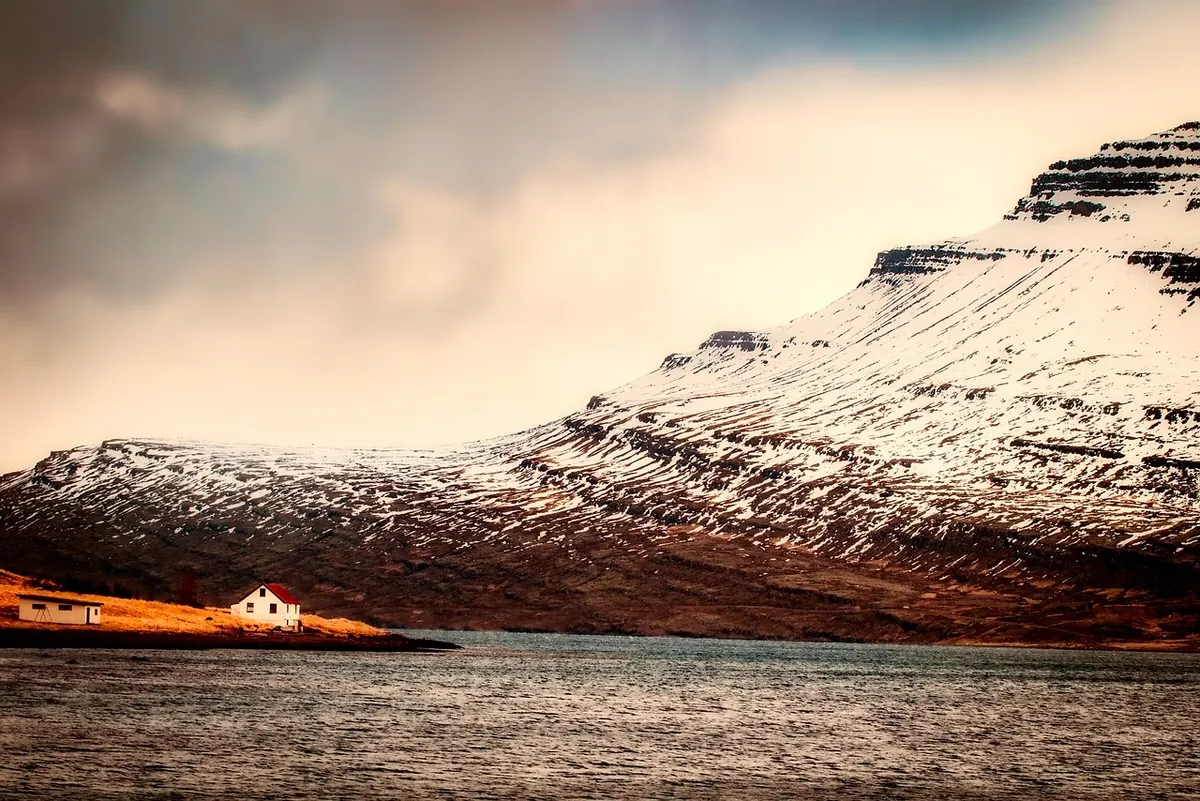
Photo: Oldiefan / Pixabay